
Top Modular Building Manufacturers in Canada Explained
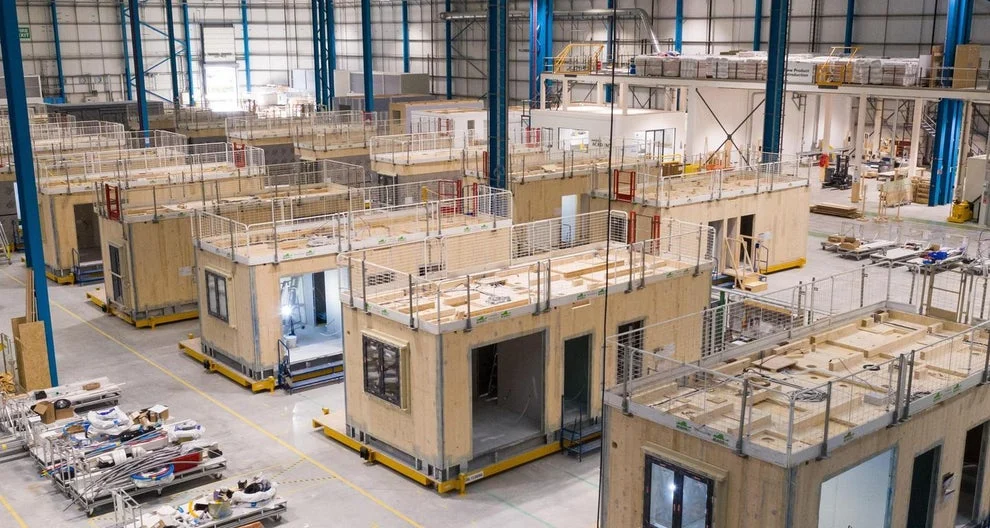
Modular construction is increasingly being considered for commercial projects that need a more organised approach to building delivery. Instead of depending entirely on work taking place at the final site, much of the construction can be completed in a controlled factory environment. This changes how a project is planned, supplied, inspected and transported. For commercial buyers, understanding that process is important because the manufacturer’s capabilities can affect production consistency, scheduling, material coordination and installation. A manufacturer should therefore be evaluated on how its complete operation supports the project, not simply on the finished appearance of its buildings.
At City Modular Buildings Inc, we approach modular construction as a process that connects planning, manufacturing and site delivery. The factory needs to work from accurate project information while production teams, suppliers and installation teams remain aligned throughout the build. Buyers researching modular building manufacturers can use this broader perspective to understand what manufacturing capability actually means when evaluating a commercial project.
What Should Commercial Buyers Look For in a Modular Manufacturer?
A modular manufacturer needs more than a production facility and a team of tradespeople. It needs an organised system for turning approved designs into physical modules while maintaining control over materials, workmanship and scheduling. Structural elements, building services, interior components and finishes all need to be coordinated before and during production. When the factory has clear procedures for these activities, teams can work from consistent information instead of making decisions independently at each stage.
Commercial projects can add another layer of complexity because the modules may not all be identical. One project could include different room configurations, service requirements, finishes or functional areas across several units. The manufacturer therefore needs enough flexibility to accommodate those differences without losing production discipline. This combination of standardised processes and project-specific execution is a useful starting point when assessing a manufacturing operation.
How Factory Capacity Affects Project Delivery
Factory capacity should be assessed in relation to the actual project rather than treated as a general claim. Available production space, workforce, equipment, material storage and scheduling systems all influence how many modules can move through production efficiently. A suitable facility should have enough room to support different construction activities without creating unnecessary congestion or interruptions between teams.
Capacity also involves workload management. A manufacturer may have the physical resources to produce modules but still face scheduling pressure if several projects are running simultaneously. Commercial buyers should consider how production is scheduled, how modules are tracked and how progress is monitored. These details can reveal whether a factory has a structured approach to managing the workload associated with a larger commercial order.
Design Coordination Before Manufacturing Begins
Design coordination has a direct effect on the manufacturing process. Architectural information needs to be reviewed alongside structural requirements, service layouts, dimensions, openings and connection details. Problems that are identified before production can usually be addressed within the design process, while changes discovered after manufacturing has started may affect materials, labour and scheduling.
A strong design process also considers the realities of transportation and installation. Modules need to be produced within practical dimensional and structural limits, and their design must support how they will eventually be positioned at the site. For commercial buyers, asking how design information is reviewed before production can provide valuable insight into how the manufacturer manages technical coordination.
Supplier Management and Material Planning
A factory cannot maintain a predictable production schedule without reliable access to required materials. Suppliers provide structural components, finishes, fixtures, service equipment and many other products that become part of the finished module. If an essential item arrives late or does not match the approved specification, production may need to be rearranged.
For this reason, procurement should be connected directly to the production schedule. Materials can be ordered according to their expected use, while delivery dates and outstanding requirements can be monitored throughout the project. A manufacturer with an organised procurement process can identify potential shortages earlier and make appropriate adjustments before they create wider production problems.
Material Standards That Support Consistent Production
Material consistency becomes particularly important when multiple modules are being produced for the same development. Using approved specifications across repeated units helps production teams work with predictable components and can support consistency in the finished building. At the same time, different areas of a commercial project may require materials with specific performance or durability characteristics.
Specification control helps manage the requirements of a Modern Farm House Design. The construction team needs access to current information showing which materials are approved for each part of the project. If an alternative product becomes necessary, it should be reviewed rather than introduced informally. This helps maintain control over both the construction process and the final design specifications.
Keeping Procurement Aligned With Production
Procurement timing needs to follow the actual manufacturing sequence. Materials required at the beginning of production should be available before that work starts, while later-stage components can be coordinated around their expected installation dates. This reduces the risk of production teams reaching a stage where required materials are still unavailable.
Longer projects also require ongoing supply monitoring. A manufacturer may need the same materials repeatedly as different modules move through production. Tracking current stock, outstanding orders and future requirements can help maintain continuity. This is especially useful when several units are being manufactured according to one overall project schedule.
Factory Quality Control at Different Production Stages
Factory manufacturing provides a controlled environment where quality checks can be integrated into the production sequence. Instead of waiting until the building is complete, teams can inspect work while different components remain accessible. This makes it possible to identify certain issues earlier and deal with them before subsequent construction covers the affected area.
Quality control should reflect the actual project specifications. Depending on the building, inspections may involve structural work, dimensions, services, fixtures, finishes and workmanship. Commercial buyers should understand when these checks happen, who carries them out and how the results are recorded. These details provide a more accurate picture of the manufacturer’s quality process than a general statement about quality alone.
Production Checks That Protect Consistency
Stage-based inspections allow the factory team to check work before moving forward. Structural components can be reviewed before they are enclosed, while electrical and plumbing installations can be examined before access becomes restricted. This creates defined points where potential issues can be identified and corrected within the production process.
Documentation strengthens this approach because it creates a record of completed inspections. When a project contains multiple modules, records can help teams confirm the status of individual units and identify any outstanding work. This organised approach can also improve communication between factory personnel and the wider project team.
Final Module Inspection Before Dispatch
The final inspection is an important checkpoint before a completed module leaves the factory. The manufacturer can review the unit against the approved project information and confirm that required finishes, fixtures, services and other components are in place. Any remaining work can then be identified before transportation is scheduled.
Dispatch preparation also requires attention to how the module will travel. Certain components may need protection, and the module may need to be prepared according to its delivery sequence. Treating final inspection and dispatch preparation as connected activities helps ensure that a module is not only finished but also ready for the next stage of the project.
Managing Multiple Modules Efficiently
A multi-module project requires clear tracking from the beginning of production. Each unit may have its own drawings, material requirements, inspection records and completion date. If these details are not clearly organised, differences between modules can become difficult to manage as production progresses.
The factory schedule should therefore identify where each module is within the production process. This can help teams coordinate material deliveries, inspections and finishing work while keeping the overall project schedule visible. It also allows transportation planning to begin around realistic module completion dates rather than assumptions.
Transportation Requirements for Canadian Modular Projects
Transportation is not simply a final delivery task. Module dimensions, weight, route conditions and site access can influence manufacturing decisions from an early stage. The manufacturer needs to understand how the finished units will move from the factory to the destination and what conditions could affect that journey.
Site conditions can vary significantly between projects. Urban properties may have limited access, while commercial developments can involve specific delivery windows or restricted working areas. A project such as a laneway modular home addition shows why access and delivery conditions need to be considered alongside the physical construction of the module.
Preparing the Site for Module Installation
Site preparation needs to keep pace with factory production. Foundations, service connections, access areas and installation zones should be ready before modules arrive. If the site is not prepared when a delivery is scheduled, a completed module may not be able to move directly into its intended position.
Installation sequencing is equally important for projects involving several units. The order of delivery can affect how modules are positioned and how the remaining installation work proceeds. Coordinating the factory schedule with site readiness gives both teams a clearer understanding of when individual units need to be completed and delivered.
Comparing Manufacturers Beyond the Quotation
A commercial buyer should compare the complete scope offered by each manufacturer. A quotation may cover factory production while leaving transportation, foundations, installation or other site activities outside the stated price. Comparing these elements separately can make proposals appear more similar than they actually are.
The manufacturing process should also be considered alongside communication and project management. Buyers need to know how design changes are handled, how production progress is reported and how issues are escalated. A clearly defined process can make responsibilities easier to understand throughout the project.
Six Areas Worth Reviewing Before Making a Decision
Factory capability: Look at the production space, workforce, equipment and scheduling systems available for the project. Capacity should be considered in relation to the number and complexity of modules required.
Engineering coordination: Review how architectural and engineering information is checked before production. Clear coordination can help identify technical conflicts before they affect manufacturing.
Procurement controls: Ask how materials are specified, ordered and tracked. This helps establish whether the factory has a structured approach to maintaining supply continuity.
Quality procedures: Understand when inspections occur and how findings are documented. Stage checks can provide useful control throughout the production process.
Logistics planning: Confirm how transportation and delivery sequencing are considered. Route conditions and site access can affect when and how modules are delivered.
Project responsibilities: Establish which party manages design, manufacturing, transportation, site preparation and installation. Clear responsibilities can reduce uncertainty later in the project.
Evaluating Scope, Schedule and Responsibilities
Before construction begins, commercial buyers should have a clear understanding of what is included in the project scope when comparing Modular vs Traditional Construction. Design, engineering, material procurement, manufacturing, transportation and installation may involve different parties depending on the construction method selected. Confirming these responsibilities early can reduce the risk of important activities being overlooked between the different stages of the project.
The schedule should also show more than the final completion date. Design approvals, procurement milestones, production stages, inspections, delivery and installation can all influence the overall timeline. Reviewing these milestones gives buyers a clearer picture of how the project is expected to progress and where coordination will be required.
Planning for Future Building Requirements
Commercial buildings may need to accommodate changing operational requirements over time. Future expansion, revised layouts or additional services can influence decisions made during the initial design process. Considering these possibilities early can help determine whether the building should include specific provisions for later changes.
Flexibility should be based on realistic requirements rather than simply adding unnecessary features. Available site space, service capacity, access and building configuration can all affect future options. Good planning considers what changes are likely to be practical while keeping the current project focused on its intended purpose.
Assessing the Full Cost of Modular Construction
The factory manufacturing price does not necessarily represent the complete project cost. Commercial buyers may also need to account for foundations, site preparation, utility connections, transportation, lifting and installation. Understanding the full scope is therefore essential when comparing different proposals.
Long-term value should also be considered alongside the initial expenditure. Building durability, maintenance, operational suitability and future adaptability can influence the overall value of a project. A detailed cost assessment should therefore consider both immediate construction requirements and the expected use of the completed building.
Financial Planning and Project Value
Modular construction can involve financial commitments at several stages. Material procurement may occur before manufacturing, while transportation and site installation take place later. Understanding the expected timing of these costs can help commercial buyers organise project budgets around the actual construction sequence.
The financial assessment can also include operational considerations such as building usability, future flexibility and expected requirements after completion. Buyers reviewing the broader financial side of modular projects can explore Financing & ROI as part of their planning process.
Why Manufacturing Insight Matters
A commercial modular project is influenced by decisions made throughout the manufacturing chain. Factory capacity affects production, procurement affects material availability, quality control affects consistency and logistics affect delivery. Understanding how these areas connect gives buyers a more complete view of what is involved in producing and installing modular buildings.
At City Modular Buildings Inc, we focus on maintaining this connection between design, factory production and final delivery. Understanding the complete process allows commercial buyers to ask more useful questions and establish clearer expectations before production begins. More information about our modular building approach is available through City Modular Buildings Inc.
Conclusion
Choosing a modular manufacturer is ultimately about understanding how the complete production system fits the requirements of the project. Factory capacity, engineering, suppliers, material control, inspections, transportation and installation all need to work together. Commercial buyers who examine these areas can build a clearer picture of what a manufacturer can provide and where responsibilities sit.
A detailed evaluation also makes it easier to compare proposals based on actual project scope rather than a single headline figure. By reviewing production processes, scheduling, quality controls, logistics and long-term requirements, buyers can approach modular construction with a more informed understanding of the manufacturing process.
FAQs
1. What is a modular building manufacturer?
A modular building manufacturer produces building modules in a controlled factory environment before they are transported to the project site.
2. Why is factory capacity important?
Factory capacity determines how effectively a manufacturer can manage production space, labour, materials and project scheduling.
3. How are modular buildings quality checked?
Quality checks can take place throughout production, including inspections of structural work, services, finishes and completed modules.
4. Why does supplier management matter?
Timely access to approved materials helps keep production moving according to the planned manufacturing schedule.
5. What should commercial buyers compare?
They should compare manufacturing scope, factory capacity, design coordination, procurement, quality control, logistics and installation responsibilities.