
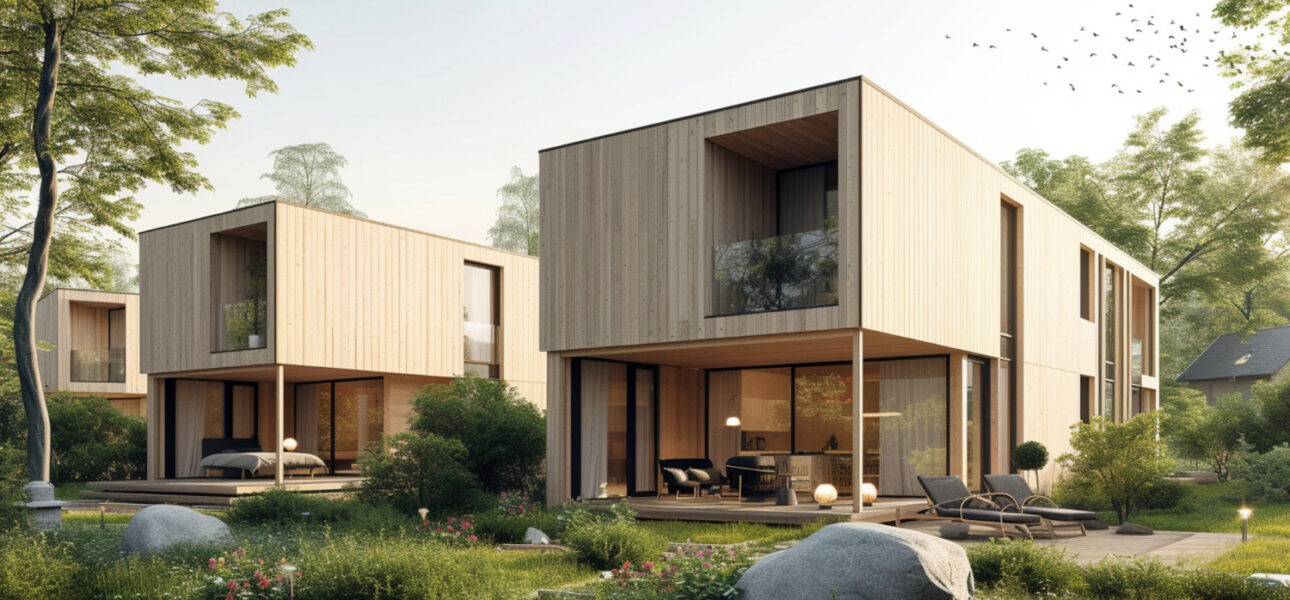
Families across the Greater Toronto Area are under pressure to make smarter housing decisions. Home prices, renovation costs, limited land, long construction timelines, and changing family needs all make the building process feel more complicated than ever. Many homeowners want more space for children, aging parents, adult children, rental income, or future downsizing, but they also want a process that is faster, clearer, and less disruptive. That is why modular homes GTA searches are becoming more common among families comparing modern building options.
Modular homes GTA families consider are not simply “quick houses” or temporary alternatives. They are real homes created through a different construction process, where major components are built in a controlled environment and then delivered and installed on a prepared site. Traditional builds still offer value, especially for highly customized projects, but modular construction can give GTA families stronger control over timeline, budget planning, quality consistency, and disruption. City Modular Buildings Inc. helps Ontario property owners explore modular options like Modular Homes / Cottages, Laneway Homes, and Garden Suites, making it easier to choose a building path that fits both the property and the family’s long-term goals.
What Modular Homes GTA Families Need To Understand First
Modular homes GTA families explore are built using factory-controlled construction for major building components, then placed on a prepared site with foundations, utility connections, inspections, and final finishing completed locally. The key difference is the sequence. In a traditional build, most work happens outdoors on the property, one stage after another. In modular construction, off-site production and on-site preparation can often happen at the same time, which can shorten the overall timeline when planning is handled properly.
Traditional homes are usually built from the ground up on-site, which can offer more room for late-stage changes, unique shapes, and custom details. However, that flexibility can also create delays and cost changes if decisions keep shifting. Modular homes GTA buyers should think about their own decision style. If a family wants to make choices early, follow a clear plan, and reduce disruption on the property, modular can be a strong fit. If a family expects to make many design changes while construction is underway, traditional construction may feel more flexible, but it may also be slower and harder to price accurately.
Modular Does Not Mean Skipping Permits
Modular homes GTA projects still require proper permits, approvals, and inspections. The Government of Ontario explains that before signing a contract or buying land for a modular house, buyers should speak with the local planning and building department about zoning, permits, servicing, and other requirements. This matters because the local municipality still reviews the site, foundation, utility connections, zoning compliance, and final occupancy requirements, even if parts of the home are built off-site.
Timeline Comparison: Which Option Is Faster For GTA Families?
For many families, timeline is the biggest reason to compare modular homes GTA options with traditional builds. Modular construction can often move faster because the home is produced off-site while the lot is being prepared. That means foundation work, grading, servicing, and site access planning may happen at the same time as factory production. In a traditional build, these tasks usually happen in a more sequential way, which can lengthen the time between breaking ground and moving in.
GTA families often need timeline certainty because construction affects daily life. A delayed project can mean longer rental costs, extra storage costs, school-year disruptions, or more months living in a crowded home. Modular homes GTA projects can reduce the time the site is under heavy construction, which can be especially useful in dense neighbourhoods where parking, noise, delivery access, and neighbour disruption matter. Still, modular is not automatically fast if permits, utility upgrades, or site constraints are not handled early.
Why Site Readiness Controls The Schedule
A modular project can only move quickly if the site is ready when the modules are ready. If foundation work is delayed, if hydro connections are not planned, or if access for delivery is unclear, the schedule can slip. Modular homes GTA families should start with feasibility, not finishes. The most important early questions are about zoning, access, servicing, foundations, and municipal requirements, because those factors often control the real move-in timeline.
Cost Comparison: What GTA Families Should Budget For
Cost is one of the most misunderstood parts of comparing modular homes GTA projects with traditional construction. Many families want a simple price per square foot, but that number can be misleading if it does not include sitework, permits, utility connections, delivery, installation, finishing, and contingency. A modular home price may look lower if it includes only the factory-built structure, while a traditional quote may include more site-related work. The only fair comparison is an all-in comparison.
Traditional builds can also vary widely based on design complexity, trade availability, material choices, and how many changes happen during construction. Modular homes GTA buyers may benefit from clearer cost categories because modular construction encourages earlier scope decisions. When layout, finishes, systems, and delivery planning are defined early, there is less room for repeated change orders. However, modular still has costs for foundations, site services, transportation, crane access, inspections, and local finishing, so families should never budget from the home model price alone.
The All-In Budget Is The Only Useful Budget
A realistic budget should separate factory scope from site scope. Factory scope includes the modular home components, while site scope includes excavation, foundation, grading, drainage, utility connections, delivery, installation, and restoration. Modular homes GTA families should also budget for design, permits, municipal fees, engineering, financing costs, and contingency. If you compare all of these items against a traditional build with the same assumptions, the decision becomes much clearer.
Quality And Durability: Is Modular As Strong As Traditional?
A common concern among families is whether modular homes GTA projects can match traditional builds for quality. The answer depends less on the method and more on the builder, materials, documentation, and installation process. Modular construction can support consistent quality because work happens in a controlled environment, away from rain, snow, and site exposure. Materials can be protected, production can follow repeatable steps, and quality checks can happen throughout the process.
Traditional construction can also deliver excellent quality, especially with a skilled builder and strong project management. The challenge is that traditional projects are more exposed to weather, trade sequencing issues, and site variability. For GTA families, the real quality question is not whether modular or traditional is automatically better. The better question is which process reduces avoidable mistakes, protects materials, and gives your family a durable, comfortable, code-compliant home.
Code Compliance And Documentation Matter
Modular homes GTA families consider should come with clear compliance documentation and a permit-ready approach. A strong builder should explain how the home meets applicable standards, how inspections work, and what documentation is provided to the municipality. When documentation is organized, the project is easier for homeowners, lenders, inspectors, and municipalities to understand.
Energy Efficiency And Comfort For GTA Living
Energy performance matters for GTA families because heating and cooling costs continue long after construction ends. A home that is built faster but performs poorly can lead to uneven temperatures, high utility bills, humidity issues, and comfort complaints. Modular homes GTA projects can support strong energy performance when the design includes proper insulation, air sealing, efficient windows, right-sized HVAC systems, and good ventilation planning.
Natural Resources Canada provides energy efficiency resources for homes and buildings, including information on saving energy and improving home performance. Families comparing modular and traditional builds should consider not only upfront cost, but also long-term operating cost. A better-performing home may cost more initially, but it can improve comfort and reduce wasted energy over time.
Comfort Should Be Planned Early
Whether you choose modular or traditional construction, comfort systems should be planned during design, not after the floor plan is finalized. Window placement, insulation, ventilation, heating, cooling, and humidity control all work together. Modular homes GTA families should ask how the builder coordinates energy performance and comfort before production begins, because late changes can be harder and more expensive.
Design Flexibility: Which Method Fits Your Family Better?
Traditional construction is often seen as more flexible because changes can sometimes happen during the build. For families who want a unique home with unusual layouts, custom rooflines, complex additions, or highly specific architectural details, traditional construction can provide flexibility. However, every change has a cost, and changes made during construction can delay the project or require rework.
Modular homes GTA projects can still offer design options, but they usually work best when families choose a layout, confirm specifications, and lock decisions earlier. That can feel limiting to some homeowners, but it can also be a major advantage. Early decision-making protects the schedule and makes pricing clearer. For busy families who want a well-designed home without months of constant construction decisions, modular can be a more practical and less stressful option.
Good Design Is About Function, Not Endless Changes
Families often need practical design more than unlimited customization. Storage, mudrooms, laundry placement, bedroom separation, home office space, natural light, and durable finishes usually matter more than unusual shapes. Modular homes GTA families can benefit from efficient layouts that are designed around real daily routines and future flexibility.
Secondary Dwelling Options For GTA Families
Not every family needs a full new home. Some need a secondary dwelling for parents, adult children, rental income, or flexible living. This is where modular planning can be especially useful. In the GTA, families may compare Modular Homes / Cottages with Laneway Homes and Garden Suites depending on lot type, lane access, backyard space, and municipal rules. These options can help homeowners make better use of existing property without moving.
Laneway Homes may be a good fit for properties with public lane access, especially in Toronto neighbourhoods where laneway housing is allowed. Garden Suites may be a better fit for backyards without lane access, depending on local rules. Modular homes GTA buyers should compare these options early because the right choice depends on property layout, access, servicing, and family goals.
Matching The Building Type To The Family Goal
A full modular home may be right for families building on land or replacing an existing structure. A laneway home may be right for rental income or family living behind the main home. A garden suite may be ideal for aging parents, adult children, or future downsizing. City Modular Buildings Inc. offers service pathways for Modular Homes / Cottages, Laneway Homes, and Garden Suites, helping families understand which option fits their property best.
Checklist For GTA Families Comparing Build Methods
Before deciding between modular and traditional construction, families should step back and compare the full project. A quick checklist can help you avoid focusing only on price or speed while missing the details that affect daily life.
- Confirm zoning, permit requirements, and local approval steps
- Compare all-in costs, not only base construction prices
- Review site access, grading, utilities, and foundation needs
- Decide how much customization you truly need
- Think about how long construction disruption can realistically last
- Plan energy efficiency, heating, cooling, and ventilation early
- Ask how the builder handles documentation and inspections
- Compare Modular Homes / Cottages, Laneway Homes, and Garden Suites if your goal is flexible family space
- Build contingency for site surprises and permit timelines
- Choose the method that best protects your family’s budget, schedule, and comfort
This checklist helps families evaluate modular homes GTA options with the same seriousness as traditional builds and prevents decisions based only on marketing claims.
Permits, Zoning, And Local GTA Requirements
Permits and zoning are important for every GTA construction project. Modular homes GTA families plan still need municipal review, and requirements can vary between Toronto, Mississauga, Brampton, Vaughan, Markham, Richmond Hill, Oakville, Burlington, and other GTA communities. A design that works on one lot may not work on another because setbacks, lot coverage, height, parking, tree protection, and servicing requirements can differ.
Ontario’s citizen guide to building permits explains that building permit applications are submitted to the municipality, not the provincial government, and that other approvals may be needed in some situations. This is why GTA families should speak with the local municipality or work with a builder who understands permit planning before finalizing the design.
Local Rules Can Change The Best Build Option
A family may begin by researching a full modular home and then discover that a garden suite or laneway home better fits the property. Another family may want a secondary suite but find the site is more suitable for a larger modular replacement home. Modular homes GTA planning is strongest when the first step is a feasibility review that matches the property to the right solution.
Why Choose City Modular Buildings Inc.
City Modular Buildings Inc. helps Ontario families approach modular construction with a structured, practical process. That matters because modular homes GTA projects depend on clear planning, early feasibility, permit awareness, site preparation, delivery coordination, and realistic budgeting. A modular build can be faster and more predictable than traditional construction, but only when each stage is managed properly from the beginning.
City Modular Buildings Inc. also gives families several related service options, including Modular Homes / Cottages, Laneway Homes, and Garden Suites. Whether your goal is a full family home, a cottage-style retreat, a rental unit, or backyard living space for relatives, the company can help you compare options and move forward with a plan that fits your property, timeline, and long-term needs.
Make The Right Build Choice For Your GTA Family
Modular homes GTA families compare with traditional builds can offer major advantages in speed, planning control, reduced disruption, and quality consistency. Traditional construction still has a place, especially for highly customized projects, but it can be more exposed to weather delays, trade scheduling issues, and late change costs. The best choice depends on your site, your budget, your family goals, and how clearly you can define the project before construction begins.
If you are deciding between modular and traditional construction in the GTA, City Modular Buildings Inc. can help you start with a feasibility conversation. Whether you are considering Modular Homes / Cottages, Laneway Homes, or Garden Suites, the right plan begins with understanding your lot, your timeline, your budget, and your long-term family needs. A smarter building decision starts with a clear comparison, and modular homes GTA families choose can provide the structure to move forward with confidence.
Frequently Asked Questions
- What are modular homes GTA families should consider?
Modular homes GTA families consider are factory-built home sections installed on a prepared site, with permits, foundations, utilities, and inspections completed locally. - Are modular homes GTA projects faster than traditional builds?
Often, yes. Modular homes GTA projects can move faster because off-site production and site preparation may happen at the same time, but permits and site readiness still matter. - Are modular homes GTA builds cheaper than traditional homes?
Not always. Modular homes GTA costs depend on design, sitework, delivery, foundations, permits, utilities, and finishes, so families should compare all-in budgets. - Do modular homes GTA projects need building permits?
Yes. Modular homes GTA projects need municipal building permits, and Ontario guidance explains that permit applications are submitted to the local municipality. - Are modular homes GTA options energy efficient?
They can be when the home is designed with strong insulation, air sealing, windows, ventilation, and right-sized heating and cooling systems. - Which City Modular Buildings Inc. services can I internally link from this blog?
You can internally link to Modular Homes / Cottages, Laneway Homes, and Garden Suites from this modular homes GTA blog. - What is the first step before choosing modular homes GTA over traditional construction?
Start with a feasibility review that checks zoning, permits, access, utilities, budget, timeline, and whether your family needs a full home, laneway home, or garden suite.