
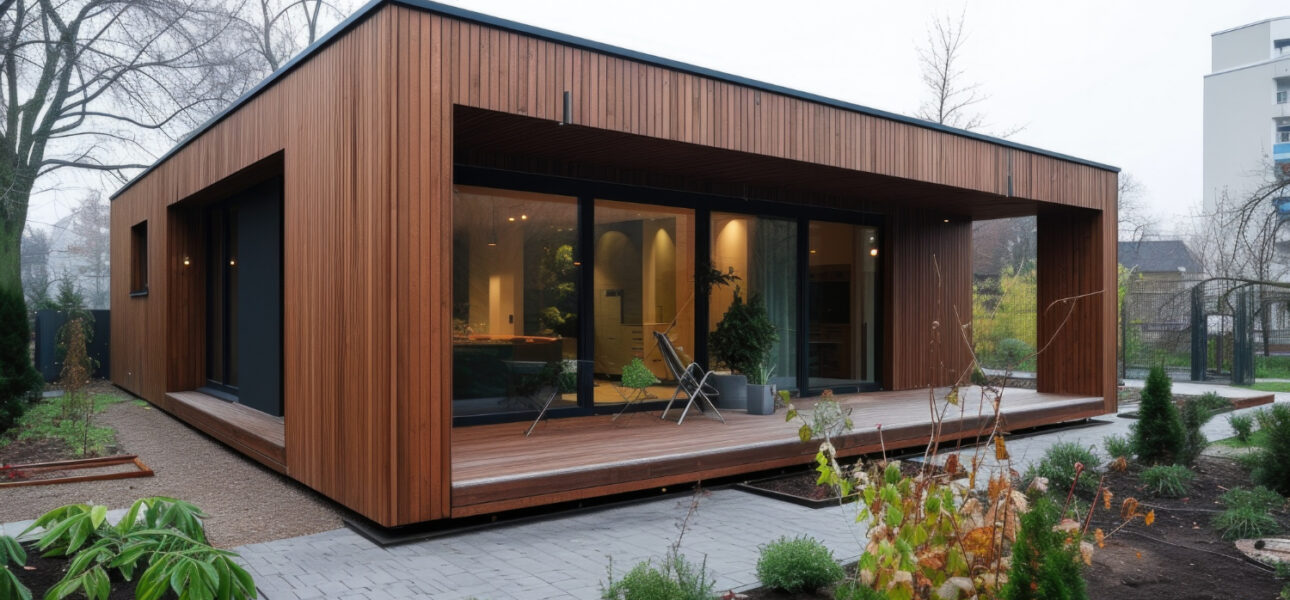
Ontario cottage country has always been about lifestyle, but in 2026 it is also about strategy. Buyers are thinking in numbers: time to build, carrying costs, rental potential, and long-term flexibility. That is why modular cottage Ontario investment 2026 is showing up in more planning conversations, especially for people who want a modern, low-maintenance cottage without a long, weather-exposed construction timeline.
A modular cottage Ontario investment 2026 can be smart, but only when you evaluate the full picture: land readiness, permits, access, servicing, insurance and compliance, realistic rental math, and the cost of operating and maintaining the property over time. City Modular Buildings Inc. supports modular builds across Ontario through services like Modular Homes / Cottages, Laneway Homes, and Garden Suites, and the same structured modular planning approach can help investors avoid the most common cottage mistakes: underestimating sitework, skipping permit planning, and overestimating rental income without understanding tax and compliance requirements.
Why Modular Cottages Are Getting More Attention In 2026
A modular cottage Ontario investment 2026 is often driven by one simple problem: time. Traditional builds in cottage regions can take longer due to weather windows, trade availability, and site access. Modular construction can reduce the length of time the property is an active construction zone because significant work can happen in a controlled environment and then be delivered and installed on-site with a clearer sequence. For buyers looking at modular cottage Ontario investment 2026, the timeline advantage matters because shorter timelines can reduce carrying costs and get the property generating value sooner.
Another reason modular cottage Ontario investment 2026 has momentum is predictability. Cottage properties are full of surprises: soil conditions, drainage, rock, tree constraints, and utility complexity. A modular approach does not remove site challenges, but it can help bring structure to the planning process. When scope is defined early and the build follows a staged plan, budgeting becomes easier and the investment decision becomes clearer.
What Buyers Mean By “Investment” In Cottage Country
When people say modular cottage Ontario investment 2026, they may mean different outcomes. Some buyers want rental income. Others want a family cottage that also holds value, supports future resale, and stays low-maintenance. Some want a hybrid: personal use plus seasonal rentals. Defining the investment goal early is critical because it changes the design, finish choices, and even how you plan services and storage.
A smart modular cottage Ontario investment 2026 plan starts with your target use profile, then designs around it. If you want rentals, you may prioritize durable finishes, easy cleaning, and storage for owner items. If you want family use first, you may prioritize comfort, privacy, and long-term flexibility for multigenerational living.
The Real Cost Drivers Of Modular Cottage Ontario Investment 2026
The most common mistake in modular cottage Ontario investment 2026 planning is focusing on the cottage price and ignoring the site price. In Ontario cottage regions, sitework can be a major portion of total cost. Excavation, foundations, grading, drainage, driveway work, and rock removal can change the budget significantly. If you want a realistic modular cottage Ontario investment 2026 number, build your budget in two buckets: building scope and site scope, then add soft costs and contingency.
Another cost driver is servicing. Many cottage properties require septic, well, water treatment, or long utility runs. Even when utilities exist, the servicing route may require trenching through rock, around trees, or across tight access zones. This is where the investment side of modular cottage Ontario investment 2026 becomes real: the build can be efficient, but the property has to function reliably in all seasons, and that reliability costs money if servicing is complex.
Permits Are Part Of Your Cost And Timeline
No matter how beautiful the design is, you still need approvals. Ontario’s citizen guide to land use planning explains that the Building Code requires municipalities to review complete building permit applications within certain timeframes, and it emphasizes that building permits are part of the legal process for construction. That matters for modular cottage Ontario investment 2026 because a permit-ready plan can protect your schedule, while incomplete submissions can stall progress and increase carrying costs.
Treat permitting as a project milestone, not a formality. If your modular cottage Ontario investment 2026 plan depends on a specific seasonal installation window, you want permits and site readiness lined up early so you are not trying to rush approvals when demand is high.
Timeline And Seasonality In Cottage Builds
A modular cottage Ontario investment 2026 often shines when timeline matters. In cottage country, the season can control everything. Spring thaw, heavy rain, winter access restrictions, and limited trade availability can slow traditional builds. Modular construction can reduce some exposure by shortening the time the structure is being built outdoors. That can be valuable when you are trying to hit a summer use date, a fall shoulder-season completion, or a winter-ready occupancy target.
Still, modular cottage Ontario investment 2026 timelines are only fast when sitework is ready. Foundations, servicing, and access must be complete enough for delivery and installation. If the site is not prepared, the modular advantage is reduced because the project is waiting on the same critical path items any build would face. This is why feasibility and early site planning are core to a good modular cottage Ontario investment 2026 decision.
A Practical Timeline Approach Investors Use
Investors who succeed with modular cottage Ontario investment 2026 often plan backward. They pick an occupancy target, then map the dates for permit submission, site prep, foundation readiness, and delivery. Then they build in buffer for weather and municipal review. This approach makes the investment less emotional and more structured, which is exactly what you want when the property is remote and the site risks are higher.
When you plan backward, you also see quickly whether your plan is realistic. If the calendar does not leave enough time for permits and sitework, you either start earlier or reduce scope complexity.
Rental Income Potential And The Numbers That Matter
For many buyers, modular cottage Ontario investment 2026 is about short-term rental potential. Rental income can be strong in certain markets, but it must be modeled realistically. A good rental model starts with conservative occupancy assumptions, seasonal variation, cleaning and turnover costs, platform fees, insurance, utilities, maintenance, and a reserve for repairs. If your numbers only work when occupancy is perfect, the investment is fragile.
Tax planning also matters. If you rent a cottage, you must report rental income and expenses properly. The Canada Revenue Agency explains how to complete Form T776, Statement of Real Estate Rentals, and it outlines reporting rental income and expenses for tax purposes. This is a key part of modular cottage Ontario investment 2026 planning because the after-tax outcome is what you keep, not the gross booking number.
How To Think About Cash Flow Versus Lifestyle Value
Some buyers want a modular cottage Ontario investment 2026 that pays for itself. Others want it to offset costs while still being a family property. There is no single correct goal, but you must be honest about it. If you want positive cash flow, your design and operations may need to prioritize rental efficiency. If you want lifestyle value first, you can still rent occasionally, but you may accept lower net income.
The best investment decisions are clear about the target. A modular cottage Ontario investment 2026 plan should state your intended use, rental weeks, and expected net outcome so you can make design choices that support the goal.
Resale Value And Long-Term Demand In Ontario
A modular cottage Ontario investment 2026 is also a bet on long-term demand. Buyers should consider whether the location supports year-round use, whether access is reliable, and whether the property is attractive to future buyers. A modern, well-built modular cottage can appeal to buyers who want low-maintenance ownership and predictable operating costs. The more your cottage can function as a true four-season property, the more potential buyer demand you may attract over time.
Long-term value is also influenced by build quality and compliance. When a cottage is properly permitted, built to code, and serviced reliably, it tends to sell more easily than a property with questionable approvals or improvised utilities. That is why modular cottage Ontario investment 2026 should include a compliance-first mindset. It is not only about today’s rentals, it is about future marketability.
Durability And Maintenance Are Investment Factors
Cottage ownership has a maintenance reality. Weather exposure, moisture, freeze-thaw cycles, and remote service calls can get expensive. A modular cottage Ontario investment 2026 should be designed for durability: exterior materials that handle moisture, interiors that are easy to clean and repair, and systems that are simple to service. These decisions may not look exciting on a mood board, but they are what protect your net return over time.
If you want the investment to stay strong, build a maintenance reserve into your model and choose materials and systems that reduce emergency calls.
Smart Investor Checks Before You Commit
Here is a quick decision list that can protect a modular cottage Ontario investment 2026 from common surprises:
- Confirm municipal permit requirements and typical review expectations for your area
- Identify site constraints: rock, drainage, trees, access, and delivery staging
- Confirm servicing plan: septic, well, utility runs, and winter reliability
- Build a conservative rental model with real operating costs and reserves
- Decide your use profile: rental-first, family-first, or hybrid
- Choose a finish tier based on durability and lifecycle cost
- Plan the timeline backward from your target occupancy season
If you can answer these clearly, modular cottage Ontario investment 2026 becomes less risky and far easier to execute.
How City Modular Buildings Inc. Supports Cottage Investment Planning
City Modular Buildings Inc. designs and builds modular solutions across Ontario, including Modular Homes / Cottages, which is the natural service category for a cottage build plan. For buyers comparing options, Laneway Homes and Garden Suites are also useful internal links because many investors build a smaller secondary dwelling first, then expand later, or they compare different modular paths based on property goals. These service pages help keep readers moving through your site and help them understand how modular planning applies across different building use cases.
A modular cottage Ontario investment 2026 is not only about the building. It is about process management: feasibility, budgeting, permitting, sitework coordination, delivery planning, and a clear finish scope. A structured modular approach can help keep each step predictable, which is exactly what investors need when the project is remote, seasonal, and sensitive to delays.
What A Feasibility-First Process Looks Like
A feasibility-first process starts with site review and constraints, not with a floor plan. It confirms access and servicing, then aligns design with the reality of the lot. This approach helps modular cottage Ontario investment 2026 buyers avoid costly redesign and prevent timeline slip caused by late discoveries.
If the site is challenging, feasibility also clarifies whether the property should be treated as a phased build rather than a one-time build. That can protect the investment by matching the project scope to real site constraints.
Why Choose City Modular Buildings Inc.
City Modular Buildings Inc. brings a process-driven modular approach that supports predictable planning, clear scope, and coordinated project stages across Ontario. For modular cottage Ontario investment 2026 buyers, this matters because the biggest risks are usually not the cottage design itself. The risks come from sitework surprises, permit delays, unclear servicing plans, and budget gaps between what was assumed and what the lot requires. A structured approach helps reduce those risks through early feasibility and disciplined scope lock.
City Modular Buildings Inc. also provides a clear internal linking ecosystem across Modular Homes / Cottages, Laneway Homes, and Garden Suites, which supports a stronger site structure and a better user journey. When readers researching modular cottage Ontario investment 2026 can move directly into relevant service pages, they are more likely to take action and request a project conversation.
Plan Your Cottage Investment With Clear Numbers And A Strong Timeline
So, is modular cottage Ontario investment 2026 a smart investment? It can be, especially when you value faster timelines, structured planning, and durable modern design that supports long-term demand. The key is to model the full project, not just the cottage price. Build an all-in budget that includes sitework and servicing, plan permits as a real milestone, and run conservative rental and maintenance numbers. Government resources reinforce the importance of building permits in the construction process and proper rental income reporting when you earn income from property.
If you are considering a modular cottage Ontario investment 2026, the next step is a feasibility review and a clear project brief: your lot status, servicing plan, target timeline, and intended use profile. City Modular Buildings Inc. can help you plan the next steps with a structured modular mindset, whether you are focused on Modular Homes / Cottages or comparing related modular pathways like Laneway Homes and Garden Suites.
Frequently Asked Questions
- What does modular cottage Ontario investment 2026 mean in simple terms?
It means evaluating whether a modular-built cottage in Ontario makes financial and lifestyle sense in 2026 based on timeline, all-in costs, and long-term use. - Is modular cottage Ontario investment 2026 always cheaper than a traditional cottage build?
Not always. The building can be efficient, but sitework and servicing often drive total cost, so the all-in budget is what matters most. - What is the biggest hidden cost in a modular cottage Ontario investment 2026 plan?
Sitework and utilities are the most common hidden costs, including foundations, grading, drainage, septic, well, and trenching routes. - Do I need permits for a modular cottage Ontario investment 2026 build?
Yes. Ontario guidance explains the role of building permits and that municipalities review complete permit applications within required timeframes. - How do taxes work if I rent out my modular cottage Ontario investment 2026 property?
You must report rental income and expenses, and the CRA provides guidance on completing Form T776 for real estate rentals. - Can a modular cottage Ontario investment 2026 be a good four-season property?
Yes, if the design, insulation, and systems are planned for year-round performance and the servicing plan supports winter reliability. - Which City Modular Buildings Inc. services can I internally link from this blog?
You can internally link to Modular Homes / Cottages, Laneway Homes, and Garden Suites as related service pages for modular solutions in Ontario.