
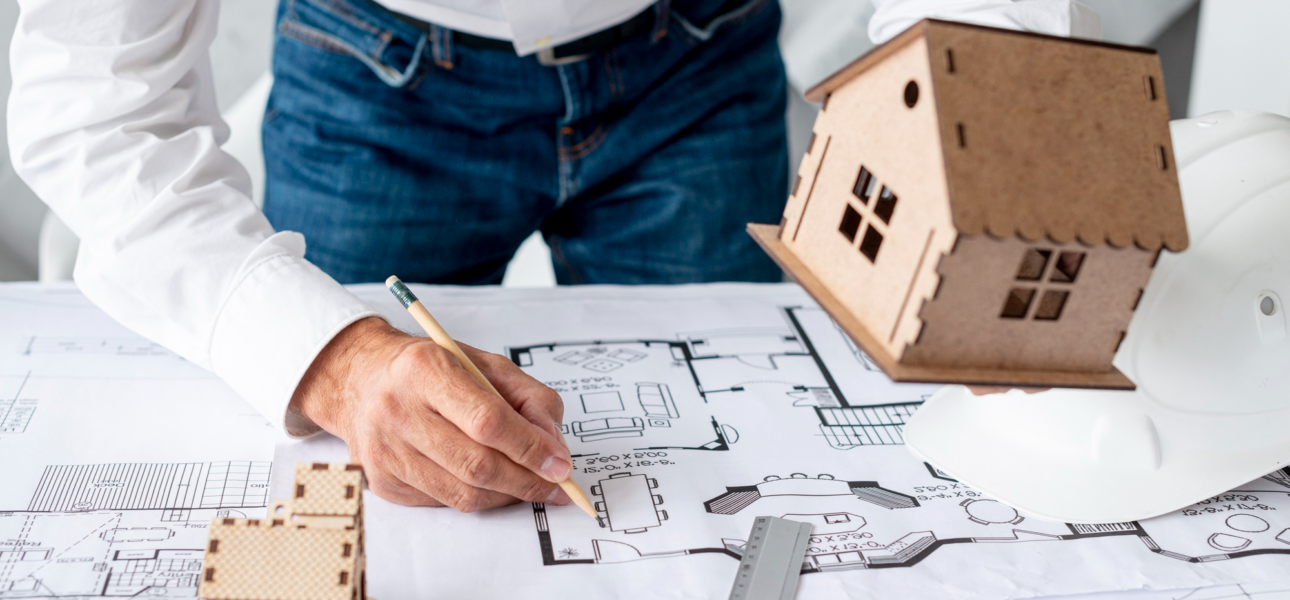
Affordable modular homes are becoming a popular option for buyers seeking practical housing solutions in Ontario. They offer an alternative to traditional construction by combining factory built efficiency with flexible design options. As housing prices continue to rise across Canada, these homes are attracting attention from first time buyers, retirees, investors, and families looking for more cost-conscious opportunities. They also support faster construction timelines and controlled production methods that can help manage project expenses more effectively.
The growing interest in this type of housing is closely tied to affordability concerns and changing buyer preferences. Many people are searching for ways to reduce construction costs while still maintaining quality, energy efficiency, and long-term durability. Factory built systems provide a more structured construction approach that can reduce some labour and scheduling costs often associated with traditional builds.
Ontario’s modular housing market continues expanding as buyers explore modern solutions designed to balance cost, functionality, and flexibility. Buyers interested in understanding available modular housing systems can review modular housing service options for additional insight into construction approaches and residential project planning.
Understanding Modular Homes in Ontario
Modular homes are factory built structures assembled in sections before transportation to a permanent installation site. Once delivered, the modules are connected and completed on a prepared foundation.
Unlike temporary or mobile housing, modular homes are permanent residential structures built according to Ontario building regulations and local construction standards. They can include a variety of layouts, finishes, and architectural styles depending on buyer preferences.
Modern modular housing systems are designed to meet the same safety and structural standards as traditionally constructed homes.
Why Buyers Are Considering Affordable Modular Homes
Housing affordability remains one of the largest concerns for Ontario buyers. Rising land prices, labour shortages, and increasing material costs have made traditional home construction more difficult for many households.
Affordable modular homes are appealing because they may offer more predictable construction costs and improved scheduling efficiency. Factory based production also helps reduce weather related interruptions that can increase project timelines and labour expenses.
Common Reasons Buyers Explore Modular Housing
- Growing housing costs in Ontario
- Interest in faster construction timelines
- Flexible home designs
- Reduced construction waste
- Energy efficient housing systems
These factors continue driving interest in modular housing solutions throughout the province.
Modular Home Cost Ontario Buyers Should Understand
The overall modular home cost Ontario buyers experience depends on several project variables. While modular homes can reduce some construction related expenses, total pricing still varies based on location, customization, transportation, and installation requirements.
Main Cost Components
- Factory construction costs
- Land purchase expenses
- Foundation installation
- Transportation and delivery
- Utility connections
- Interior upgrades and finishes
Understanding these components helps buyers prepare realistic project budgets and avoid unexpected financial challenges during construction.
Factory Construction and Production Costs
Factory production is one of the defining features of modular housing. Manufacturing homes indoors allows builders to maintain more consistent scheduling and material management.
Production costs generally include framing, insulation, roofing, flooring, plumbing systems, and electrical installation completed during the factory phase. Buyers may also select upgraded finishes or customized layouts that influence pricing.
Controlled production environments can help reduce material waste and improve efficiency during the manufacturing process.
Land and Site Preparation Expenses
Although modular homes may reduce certain construction costs, buyers must still account for land and site preparation expenses. These costs vary depending on property location and site conditions.
Site Preparation Costs May Include
- Land clearing
- Excavation work
- Foundation preparation
- Driveway access
- Utility trenching
Rural properties may require additional preparation for water systems, septic systems, or electrical access. Proper site planning is important for maintaining project efficiency and avoiding delays.
Transportation and Installation Costs
Modular homes must be transported from manufacturing facilities to the final building site. Transportation costs depend on distance, road accessibility, and module size.
Installation involves placing modules onto the prepared foundation and connecting structural systems, utilities, and finishing components.
Professional coordination during transportation and installation is important for maintaining structural quality and scheduling efficiency.
Comparing Modular Housing and Traditional Construction
Many buyers compare modular housing with traditional site built construction when evaluating affordability. While both approaches involve major financial investments, modular systems may provide cost advantages in specific areas.
Areas Where Modular Construction May Reduce Costs
- Shorter construction timelines
- Reduced weather related delays
- Controlled factory production
- Improved material management
- Lower on-site labour requirements
However, customization choices, land prices, and utility work can still significantly affect overall project budgets.
Energy Efficiency and Long-Term Savings
Energy efficiency plays an important role in long term housing affordability. Many modular homes are designed using modern insulation systems and energy efficient building materials.
Common Energy Efficient Features
- High performance insulation
- Energy efficient windows
- Modern HVAC systems
- Improved air sealing methods
- Efficient lighting systems
These features may help homeowners reduce utility expenses over time while improving indoor comfort throughout Ontario’s changing seasons.
Budget Housing and Financing Considerations
Budget housing discussions often include modular construction because buyers are seeking more manageable housing solutions. Financing modular homes typically follows processes similar to traditional residential mortgages, although lenders may require additional construction documentation.
Buyers should also consider:
- Down payment requirements
- Construction financing terms
- Permit related expenses
- Insurance requirements
- Property tax considerations
Working with experienced lenders and builders can help simplify the financing process for modular housing projects.
Design Flexibility for Different Budgets
Affordable modular homes are available in a variety of sizes and layouts, making them suitable for different buyer needs and financial goals. Smaller floor plans and simplified designs may reduce overall construction expenses.
At the same time, buyers can often choose upgraded finishes and additional features depending on available budgets. This flexibility allows modular housing systems to support both entry level and higher end residential projects.
For additional information about modular housing approaches and residential construction systems, buyers can review City Modular Buildings to better understand modular housing planning and development options.
Importance of Transparent Cost Planning
Cost transparency is essential when planning any modular housing project. Buyers should request detailed estimates that outline production, transportation, installation, and finishing costs.
Important Questions Buyers Should Ask
- What is included in the base construction price
- Are utility connections included
- What transportation expenses apply
- Which upgrades increase costs
- Are permit fees included in estimates
Clear communication helps buyers manage budgets more effectively and reduce unexpected financial changes during construction.
Rural and Urban Affordability Differences
Housing costs vary significantly between Ontario’s urban and rural regions. Land availability, permit requirements, and transportation logistics can influence modular home affordability depending on project location.
Rural properties may offer lower land costs but higher utility installation expenses. Urban projects may involve higher property prices while benefiting from easier infrastructure access.
Understanding regional cost differences helps buyers evaluate affordability more accurately.
Role of Modular Builders in Cost Management
Experienced modular builders help coordinate project scheduling, manufacturing, transportation, and installation. Efficient project management can reduce delays and improve cost predictability.
Builders also assist buyers in selecting layouts, materials, and construction options aligned with financial goals.
Working with experienced professionals supports smoother project coordination and more accurate budgeting throughout the construction process.
Market Trends Influencing Ontario Modular Housing
Ontario’s modular housing industry continues growing due to changing economic conditions and evolving buyer preferences. Rising demand for efficient housing solutions has encouraged more buyers to explore factory-built construction systems.
Advancements in manufacturing technology and design flexibility are also helping improve public perception of modular housing. Buyers increasingly recognize that modular homes can provide quality construction while supporting budget conscious planning.
Future Outlook for Affordable Modular Homes
The future of affordable modular homes in Ontario appears closely connected to housing affordability challenges and construction efficiency goals. As demand for practical housing solutions continues growing, modular construction may become a more widely adopted residential option.
Manufacturers and builders are expected to continue improving production methods, sustainability practices, and customization capabilities in response to evolving market expectations.
Buyers interested in staying informed about modular housing trends and industry developments can explore modular housing insights and updates for additional information related to modular construction and residential planning.
Conclusion
Affordable modular homes are becoming an increasingly important part of Ontario’s housing market as buyers search for practical and cost-conscious construction solutions. By combining factory based production with flexible design options, modular housing systems offer an alternative approach to residential development.
From modular home cost Ontario considerations to energy efficiency and long term budgeting, buyers must evaluate multiple factors when planning modular housing projects. Understanding transportation costs, site preparation requirements, and financing considerations helps improve decision making throughout the construction process.
As housing demand and affordability concerns continue shaping the Canadian market, modular housing is expected to remain a growing part of Ontario’s residential construction industry.
FAQs
1. Are affordable modular homes cheaper than traditional homes in Ontario?
Modular homes may reduce some labour and scheduling expenses compared to traditional construction. However, total costs still depend on land, customization, and installation requirements.
2. What factors affect modular home cost Ontario buyers should expect?
Costs depend on factory construction, transportation, land preparation, and utility connections. Interior upgrades and site accessibility also influence overall pricing.
3. Do modular homes meet Ontario building standards?
Yes, modular homes must comply with Ontario building regulations and safety standards. They are designed for permanent residential use and long term durability.
4. Can buyers customize affordable modular homes?
Yes, buyers can often select layouts, finishes, and additional design features. Customization choices may increase or decrease overall construction costs.
5. Why are modular homes becoming more popular for budget housing?
Buyers are attracted to modular homes because of construction efficiency and flexible pricing options. Energy efficient systems and faster timelines also contribute to growing demand.