
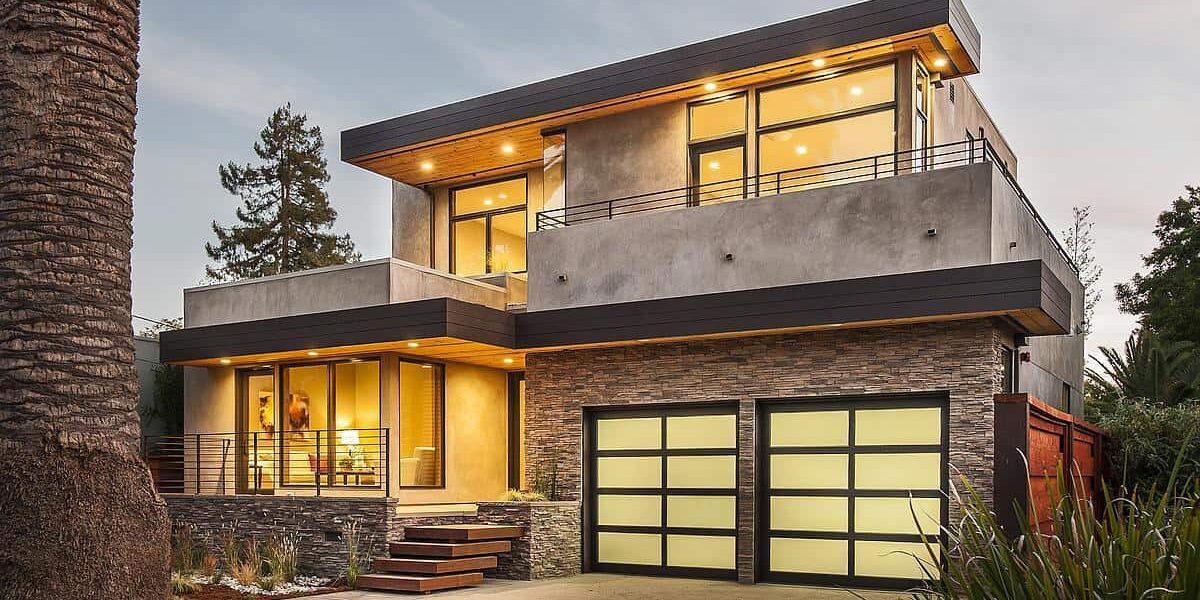
Sustainable housing is becoming an important consideration for Ontario homeowners who want to reduce their environmental impact while maintaining comfort and practical living space. At City Modular Buildings Inc., we recognize that sustainability starts with how a home is designed and built. Modular construction can support a more controlled building process, efficient material use and reduced construction site waste, making it an option worth considering for eco conscious buyers.
Our approach to ontario modular homes focuses on combining practical residential design with the advantages of off site construction. Much of the building work can take place in a controlled environment before the modules are transported to the property. This can improve planning and reduce some of the inefficiencies that may occur during traditional site based construction.
For homeowners interested in green building Canada principles, it is useful to look beyond a home’s appearance. Sustainability can involve material management, energy efficiency, construction waste, building durability and how effectively a property uses available space. When these factors are considered together, they can contribute to a home that is more responsible over its full life cycle.
Why Modular Homes Can Support Sustainable Housing
Modular construction offers several characteristics that can contribute to a more efficient approach to residential building. Since substantial portions of the construction process take place in a controlled facility, there can be greater consistency in how materials are stored, measured and installed. This can help reduce some of the waste and uncertainty associated with outdoor construction.
However, modular construction is not automatically sustainable simply because it is modular. The environmental performance of a home depends on many factors, including its design, materials, energy systems, transportation requirements and site conditions. For this reason, we believe sustainability should be considered throughout the entire planning and construction process.
Controlled Material Use
A controlled construction environment can make material planning more organized and efficient. Modular building manufacturers can bring materials into production according to specific requirements, while cutting, assembly, and finishing can follow established processes.
This approach can help reduce unnecessary offcuts, damage, and excess materials during construction. Although some construction waste will still occur, better planning and controlled production can make it easier to manage resources responsibly and improve overall material efficiency.
Reduced Site Waste
Traditional construction can generate waste at the property from packaging, offcuts and unused materials. Outdoor storage can also expose certain materials to weather, which may increase the risk of damage.
With modular construction, much of the building activity occurs away from the final site. This can reduce the amount of material handling and construction waste that takes place directly at the property.
How Modular Construction Can Reduce Environmental Impact
The environmental impact of a home is influenced by more than the finished building. Construction activities, transportation, material use and site disruption can all contribute to the overall footprint of a project. Modular construction can help address some of these areas through a more coordinated building process.
At City Modular Buildings Inc., we consider construction efficiency an important part of responsible housing. A controlled process allows different stages of production to be planned in advance, while site preparation can progress separately. This can reduce delays and help avoid unnecessary activity at the property.
Efficient Construction Planning
One benefit of modular construction is the ability to coordinate several parts of a project at the same time. While modules are being constructed off site, other site related work can often move forward.
This can create a more organized workflow and reduce the length of certain site activities. Less time spent carrying out construction work at the property can also help limit disruption to surrounding areas.
Less On Site Disruption
A traditional build can involve workers, equipment, deliveries and material storage remaining on site for an extended period. Modular construction can reduce some of these activities because much of the building work is completed before delivery.
This can be particularly useful when working on established residential properties. Reduced site activity may help limit disturbance to existing landscaping, neighbouring areas and other parts of the property.
Energy Efficiency and Modular Home Design
Energy efficiency is one of the most important considerations for homeowners who want a more sustainable property. Ontario’s climate brings cold winters and warm summers, meaning homes need to manage indoor temperatures efficiently throughout the year.
The construction method is only one part of this equation. Building envelope performance, insulation, windows, doors, ventilation and mechanical systems all influence how much energy a home requires. A well considered design can help reduce unnecessary energy consumption while supporting comfortable indoor conditions.
Insulation and Building Envelope
A well insulated building envelope can reduce unwanted heat transfer between the interior and exterior of a home. This can help maintain more consistent indoor temperatures and reduce the demand placed on heating and cooling equipment.
Air sealing is also important because uncontrolled air leakage can affect energy performance. Careful construction and attention to building details can help support a more efficient home.
Windows and Natural Light
Windows can influence both energy use and indoor comfort. Efficient glazing can help reduce heat loss during colder months while limiting unwanted heat gain during warmer periods.
Window placement can also help make better use of natural daylight. When daylight is used effectively, homeowners may be able to reduce reliance on artificial lighting during parts of the day.
Sustainable Materials and Long Term Durability
Materials play an important role in any discussion about sustainable housing. Choosing materials responsibly involves considering not only where they come from, but also how long they are expected to last and how much maintenance they require.
A material that needs frequent replacement can create additional resource use over time. For this reason, durability should be considered alongside initial environmental impact when selecting components for a modular home.
Choosing Durable Materials
Durable materials can help extend the useful life of a home and reduce the need for repeated repairs or replacements. This is particularly important when considering modular homes from Canada, where thoughtful material choices can support long-term performance while reducing the materials and energy required for ongoing maintenance.
The right material choices depend on the location, design, climate, and intended use of the home. What works well for one project may not be suitable for another, so material selection should always consider the complete building context and the specific needs of the property.
Considering Maintenance Needs
Sustainability continues after construction is complete. Regular maintenance can help building components remain functional and prevent smaller problems from becoming major repairs.
Homeowners can also consider the expected lifespan of finishes, fixtures and other components when planning a project. Selecting practical and durable options can support long term resource efficiency.
Making Better Use of Residential Space
Sustainable housing does not necessarily mean building the largest possible home. Efficient use of space can be just as important because every additional area requires materials to construct and energy to heat, cool, light and maintain.
Modular homes can be designed around specific household requirements. This provides an opportunity to focus on useful spaces rather than adding square footage that may not be needed.
Practical Floor Plans
A well planned floor plan can make a smaller footprint feel comfortable and functional, while a modular 2nd story addition can provide valuable extra living space without expanding the home’s ground-level footprint. Open living areas, efficient storage and carefully positioned rooms can help homeowners get more value from the available space.
This approach can reduce unnecessary construction while still providing the features a household needs. It also allows sustainability to become part of the design rather than an afterthought.
Flexible Living Spaces
A flexible home can adapt as household needs change. Rooms that serve more than one purpose can help homeowners avoid major renovations when their circumstances change.
This can contribute to long term sustainability because a home that remains suitable for its occupants may require fewer significant alterations over its lifetime.
Modular Homes and Green Building Canada
The wider conversation around green building Canada includes energy efficiency, responsible material selection, waste reduction and long term building performance. Modular construction can contribute to several of these principles, but it should be viewed as one part of a broader sustainable building strategy.
For us, the most effective approach is to consider sustainability from the early design stage. Decisions about the building footprint, orientation, materials, insulation and systems can all influence the eventual environmental performance of a home.
Reducing Construction Waste
Construction waste is an important environmental consideration because unused materials require additional resources for transportation, processing and disposal. Better planning can help limit unnecessary waste before it is created.
Off site construction provides a controlled environment where production can be organized around specific measurements and requirements. This can make material management more predictable than an entirely site based process.
Supporting Efficient Building Processes
Efficiency can also come from better coordination. When site preparation and off site construction can progress alongside one another, certain stages of the project do not need to wait for every other activity to finish.
This can create a more streamlined construction process while reducing the amount of time that extensive building activity takes place at the final property.
Eco Friendly Options for Different Housing Needs
Sustainability is not limited to one type of residential property. Modular construction can be used for different housing requirements, including primary residences and additional living spaces.
For example, a garden suites modular home can provide a separate living space within an existing residential property. The compact nature of many garden suite designs can make efficient use of available backyard space while providing a practical housing option.
Garden Suites and Efficient Land Use
Garden suites can make use of existing residential properties rather than requiring a completely separate parcel of land. This can support more efficient use of established neighbourhoods where local regulations and site conditions allow this type of development.
The environmental benefits will vary by project, but using an existing property can provide an alternative to some forms of new land development.
Additional Living Space
Modular construction can also support additional living requirements through projects such as additions. These solutions may allow homeowners to increase usable space without moving to a larger property.
A well planned addition can focus on the specific space needed while considering the existing structure, site conditions and overall energy performance of the property.
How Eco Conscious Buyers Can Evaluate a Modular Home
Buyers interested in sustainable housing should consider the complete building rather than focusing on one environmental feature. Asking the right questions early can make it easier to understand how a home’s design and construction approach may influence its long term performance.
At City Modular Buildings Inc., we believe that sustainability should remain practical. A home needs to work for its occupants while also using materials, energy and space responsibly. The following considerations can help buyers assess their options.
Review energy efficiency: Look at insulation, windows, air sealing and mechanical systems to understand how the home is expected to perform.
Consider material durability: Materials that last longer can reduce the need for frequent replacement and associated resource use.
Assess the floor plan: Make sure the home’s size and layout reflect actual household needs instead of creating unnecessary space.
Understand the site: Consider transportation, foundation requirements, utilities, drainage and site preparation when evaluating the complete project.
Think long term: Consider how the home may perform and adapt as household requirements change over time.
Building a More Sustainable Future in Ontario
Ontario’s housing needs continue to evolve, and sustainability is becoming a larger part of residential planning. Homeowners are increasingly looking for ways to balance space, affordability, efficiency and environmental responsibility.
Modular construction can contribute to this conversation by providing a controlled approach to building. It can support efficient material management, reduce some on site construction activity and provide opportunities for thoughtful energy conscious design.
The most sustainable outcome still depends on the individual project. Site conditions, design decisions, materials, transportation and household energy use all matter. This is why we believe environmental considerations should be included from the earliest planning stages rather than added after the main decisions have already been made.
For homeowners researching their options, our blog page offers additional information about modular construction, housing considerations and related planning topics.
Conclusion
Eco friendly modular homes can provide Ontario homeowners with an alternative approach to sustainable residential construction. The benefits can extend beyond faster building times to include controlled material use, reduced site disruption, efficient space planning and opportunities for energy conscious design.
At City Modular Buildings Inc., we view sustainability as a combination of practical decisions rather than a single feature. By considering construction methods, materials, energy performance, durability and future household needs together, homeowners can make more informed choices about creating a comfortable and responsible home.
FAQs
1. Are modular homes environmentally friendly?
They can support sustainable construction through controlled production, efficient material use and reduced site waste.
2. Can modular homes be energy efficient?
Yes. They can incorporate efficient insulation, windows, air sealing and mechanical systems.
3. Do modular homes produce less construction waste?
Controlled off site construction can help reduce and better manage certain types of construction waste.
4. What does green building Canada mean?
It generally refers to building practices that consider energy efficiency, resource use, waste reduction and environmental impact.
5. Are garden suites a sustainable housing option?
They can make efficient use of existing residential land while providing additional living space.