
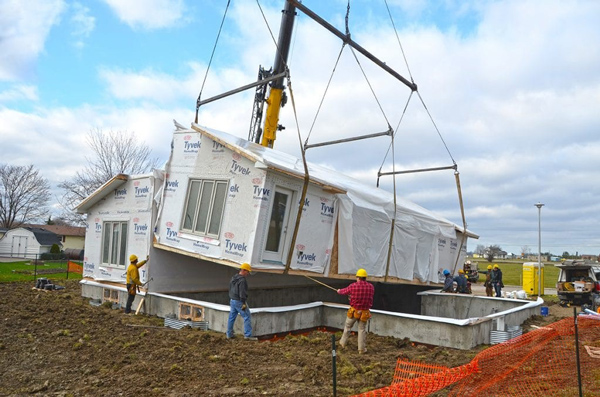
Modular building suppliers play an important role in Ontario’s growing modular housing industry. Modular building suppliers help homebuyers and investors evaluate construction quality, project timelines, certifications, and long-term reliability before starting a modular housing project. As demand for prefabricated housing increases, modular building suppliers are becoming a key part of the decision making process for buyers seeking dependable modular construction solutions. Modular building suppliers also influence construction efficiency, customization options, and compliance with provincial building standards.
Choosing the right modular home builder involves more than comparing prices or floor plans. Buyers must assess the builder’s experience, manufacturing standards, certifications, communication process, and ability to manage projects effectively. A structured evaluation process helps reduce risks and improves confidence in long term project outcomes.
Ontario’s modular housing market continues evolving as more buyers seek efficient and flexible housing solutions. Homebuyers exploring modular housing systems and construction approaches can review Ontario modular home solutions to better understand available building options and project structures.
Understanding the Role of Modular Home Builders
Modular home builders manage the planning, manufacturing, transportation, and assembly of prefabricated housing structures. Unlike traditional construction companies, modular builders coordinate both factory based production and on-site installation processes.
Builders work closely with modular building manufacturers to ensure that housing modules meet design specifications and building code requirements. Their responsibilities also include project scheduling, utility coordination, and final inspections.
Choosing an experienced builder helps ensure that each stage of construction is handled efficiently and according to Ontario regulations.
Why Builder Selection Matters
Selecting the right builder is one of the most important decisions in a modular housing project. The builder’s expertise affects construction quality, project timelines, communication, and long-term performance of the home.
An experienced builder understands how to manage factory production schedules, transportation logistics, and site preparation while maintaining compliance with provincial requirements.
Risks of Choosing the Wrong Builder
- Construction delays
- Poor quality control
- Incomplete project coordination
- Regulatory compliance issues
- Increased repair or maintenance concerns
Evaluating builders carefully helps reduce these risks and supports smoother project execution.
Checking Builder Experience and Industry Background
Experience is one of the first factors buyers should evaluate when comparing modular building suppliers. Builders with extensive experience often have stronger project management systems and more familiarity with Ontario construction regulations.
Buyers should review previous projects, years of operation, and the builder’s specialization within modular housing. Some builders focus on residential homes, while others handle cottages, commercial structures, or multi-unit developments.
Understanding a company’s background provides insight into its construction capabilities and project management approach.
Evaluating Certifications and Compliance Standards
Certifications are essential indicators of professionalism and construction quality in the modular housing industry. Builders should comply with Ontario building regulations and recognized manufacturing standards.
Important Certifications and Standards
- Ontario Building Code compliance
- CSA certification standards
- Factory inspection approvals
- Workplace safety certifications
- Energy efficiency compliance
These certifications help buyers confirm that modular homes meet required structural and safety standards.
Understanding Quality Control Processes
Quality control is a major advantage of modular construction because much of the building process occurs in a controlled factory environment. However, buyers should still evaluate how builders manage inspections and production standards.
Questions to consider include:
- How are materials inspected during production
- What quality assurance systems are used
- Are third party inspections involved
- How are defects addressed during manufacturing
Strong quality control processes help ensure consistency and reduce future maintenance issues.
Reviewing Construction Materials and Methods
Construction materials directly affect the durability and performance of modular homes. Buyers should ask about framing materials, insulation systems, roofing components, and structural engineering practices.
Modern modular house construction often includes energy efficient materials and advanced manufacturing methods designed to improve long term performance.
Builders should also explain how modules are protected during transportation and installation to minimize structural risks.
Importance of Transparent Communication
Clear communication is essential throughout a modular housing project. Buyers should evaluate how builders handle consultations, project updates, scheduling, and problem resolution.
Builders who provide structured communication processes help clients stay informed during manufacturing and installation stages.
Signs of Effective Communication
- Detailed project timelines
- Clear pricing information
- Consistent progress updates
- Transparent contract terms
- Accessible customer support
Strong communication helps reduce misunderstandings and improves project coordination.
Comparing Modular Building Manufacturers
Not all modular building manufacturers operate at the same quality level. Buyers should research where modules are produced and how manufacturing facilities maintain construction standards.
Factory conditions influence material storage, assembly precision, and overall production efficiency. Builders working with reputable manufacturing partners often provide more consistent project outcomes.
For additional insight into modular housing systems and industry experience, buyers can explore modular construction solutions in Canada to better understand modular construction practices and project management approaches.
Evaluating Project Timelines and Scheduling
One of the advantages of modular construction is improved efficiency, but timelines still vary depending on customization, permitting, and transportation logistics.
Builders should provide realistic schedules that include:
- Design and approval stages
- Factory production timelines
- Site preparation work
- Transportation coordination
- Final installation and inspections
Understanding scheduling expectations helps buyers prepare more effectively for construction milestones.
Site Preparation and Installation Expertise
Modular home projects require proper site preparation before module installation begins. Builders should coordinate foundation work, utility access, and transportation logistics carefully.
Improper site preparation can create installation complications that affect both timelines and structural performance. Buyers should confirm that builders have experience managing Ontario site conditions and local requirements.
Professional installation practices are critical for ensuring long term structural integrity.
Financial Transparency and Contracts
Clear pricing and detailed contracts are important when evaluating modular building suppliers. Buyers should understand exactly what is included in the project estimate and whether additional costs may apply later.
Key Contract Details to Review
- Construction scope
- Payment schedules
- Warranty coverage
- Permit responsibilities
- Change order procedures
Transparent contracts help buyers avoid misunderstandings and manage project budgets more effectively.
Importance of Warranties and After Project Support
Warranties provide additional protection for buyers investing in modular homes. Builders should explain what warranty coverage applies to structural systems, materials, and workmanship.
After project support is also important because homeowners may require guidance regarding maintenance, inspections, or future modifications.
Builders offering clear warranty policies often demonstrate greater confidence in construction quality and long term performance.
Understanding Energy Efficiency Standards
Energy efficiency is becoming increasingly important in Ontario housing projects. Buyers should ask how builders incorporate insulation, ventilation, and energy efficient technologies into modular homes.
Common Energy Efficient Features
- High performance insulation systems
- Energy efficient windows
- Modern HVAC systems
- Air sealing techniques
- Sustainable construction materials
Energy efficient designs help improve comfort while reducing long term utility costs.
Researching Reviews and Project References
Project references and customer feedback can provide useful insight into builder reliability and communication practices. Buyers should review testimonials, completed projects, and independent feedback when evaluating builders.
Speaking directly with previous clients may also help buyers better understand construction experiences and project outcomes.
Reliable builders typically maintain detailed portfolios that demonstrate consistent workmanship and project management capabilities.
Questions Buyers Should Ask Before Hiring a Builder
Before signing a construction agreement, buyers should prepare detailed questions related to experience, scheduling, and compliance standards.
Important Questions to Ask
- How many modular projects have been completed in Ontario
- Which certifications does the builder maintain
- How are delays or project changes handled
- What warranty coverage is included
- How is communication managed during construction
Asking these questions helps buyers evaluate professionalism and project readiness.
Future Trends in Ontario Modular Construction
Ontario’s modular housing industry continues growing as demand for efficient and flexible housing solutions increases. Technological improvements and manufacturing advancements are influencing both design and construction processes.
Builders are also incorporating more energy efficient materials, automation systems, and customizable layouts into modern modular housing projects.
Buyers interested in learning more about modular housing companies and project capabilities can review Ontario modular building companies for additional information about modular construction expertise and industry practices.
Conclusion
Choosing the right modular home builder in Ontario requires careful evaluation of experience, certifications, communication practices, and construction quality. Buyers who follow a structured checklist can better assess modular building suppliers and reduce project related risks.
From quality control and energy efficiency to warranties and project scheduling, every aspect of the builder selection process contributes to long term housing performance and project success. Understanding these factors helps homebuyers and investors make informed decisions when planning modular construction projects.
As modular housing continues expanding across Ontario, careful builder evaluation will remain essential for achieving reliable and efficient construction outcomes.
FAQs
1. What should buyers look for when choosing modular building suppliers?
Buyers should evaluate experience, certifications, communication practices, and quality control systems. Reviewing past projects and warranty policies also helps assess builder reliability.
2. Are modular homes required to meet Ontario building regulations?
Yes, modular homes must comply with Ontario building codes and safety standards. Builders should also maintain proper certifications and inspection approvals.
3. Why are certifications important in modular house construction?
Certifications help verify that construction methods meet structural and safety requirements. They also demonstrate compliance with recognized manufacturing standards.
4. How can buyers evaluate modular building manufacturers?
Buyers should review manufacturing processes, inspection systems, and material quality standards. Factory conditions and project references also provide useful insight into reliability.
5. What factors affect modular home project timelines in Ontario?
Timelines depend on design complexity, permits, site preparation, and transportation logistics. Clear scheduling and communication help reduce delays during construction.