
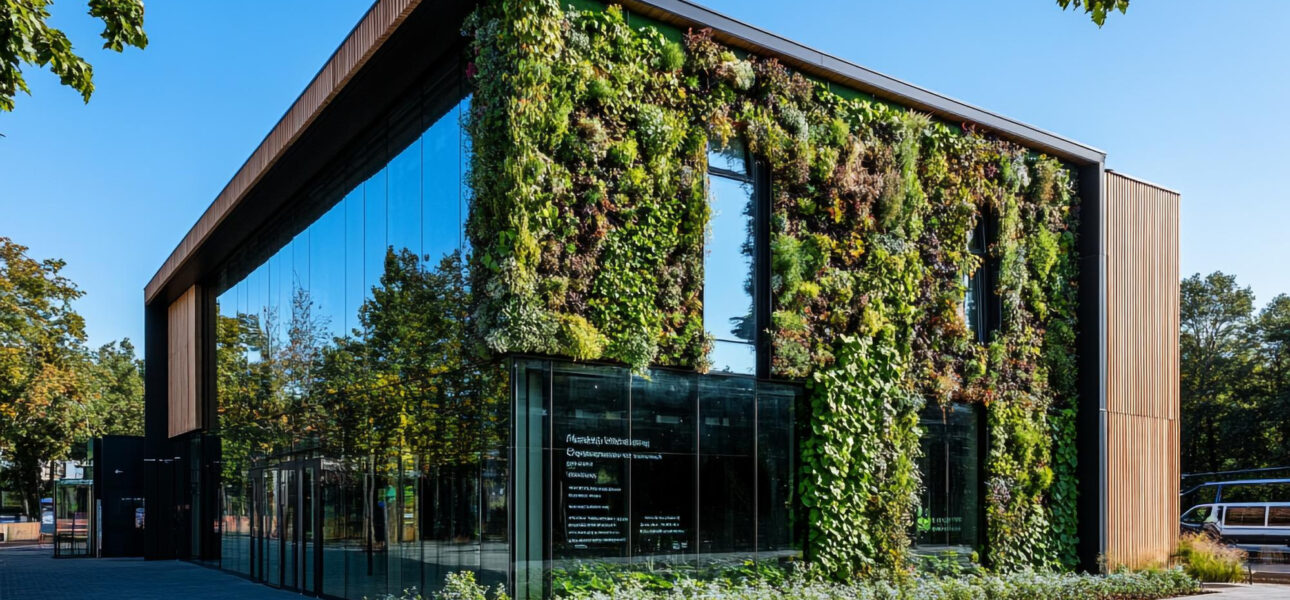
Sustainability is not only about what a building looks like after it is finished. A big part of the environmental impact happens during construction, including material waste, repeated deliveries, idling equipment, and weather-related rework. That is why eco friendly prefabricated buildings have become a serious option for owners who want lower waste, tighter planning, and a more controlled build process that supports greener outcomes.
Eco friendly prefabricated buildings are not a trend that fades with a news cycle. They are a practical response to real construction challenges: unpredictable schedules, wasted materials, and higher emissions tied to inefficient site work. City Modular Buildings Inc. supports modern modular building across Ontario, and while the company is known for solutions like Modular Homes / Cottages, Laneway Homes, and Garden Suites, the same prefabrication mindset helps reduce waste and improve build efficiency in a way that aligns with sustainability goals.
Less Construction Waste Starts With Better Control
Eco friendly prefabricated buildings often generate less waste because cutting, framing, and assembly happen in a controlled environment with repeatable processes. When crews build indoors with consistent plans, there is less damage from weather, fewer mistakes from rushed site conditions, and better opportunities to measure and reuse materials. That control alone can reduce landfill-bound debris, especially compared to projects that involve constant on-site cutting and frequent material replacements.
Waste reduction also improves when the workflow supports better sorting and tracking. Many construction projects lose recyclable materials because the site becomes too busy to separate waste correctly, or because bins get contaminated. Eco friendly prefabricated buildings can support cleaner separation and better planning, which makes diversion more realistic. The Government of Canada tracks construction, renovation and demolition waste as a major waste stream and highlights efforts to reduce the amount going to landfill, reinforcing why waste management and prevention matter.
Why This Matters For Sustainability
Waste is not only a disposal problem. Waste represents extra manufacturing, extra transportation, and extra emissions tied to material that never becomes part of the finished building. Eco friendly prefabricated buildings reduce waste in a way that supports the full sustainability picture, not only the final appearance of a project.
When you reduce off-cuts, rework, and damaged materials, you also reduce the hidden carbon attached to those materials. That means eco friendly prefabricated buildings can contribute to greener outcomes even before you start comparing insulation levels or energy systems.
Fewer Deliveries And Less On-Site Disruption Can Lower Emissions
Traditional construction often involves many deliveries, repeated trips for missed items, and extended periods of on-site equipment use. Eco friendly prefabricated buildings can reduce the total on-site time and the number of fragmented deliveries because more of the building scope is organized into a coordinated production and delivery sequence. This can translate into fewer vehicle trips, less idling, and fewer weeks of heavy on-site activity.
Less disruption also matters for communities. Long construction schedules can create noise, dust, and traffic impacts that affect nearby residents and businesses. Eco friendly prefabricated buildings can help by shortening the time the site is actively under construction. While delivery and installation still require planning, the overall footprint of disruption is often smaller when more work is completed before arriving on site.
Cleaner Sites Often Mean Cleaner Outcomes
A cleaner jobsite typically results in less material loss and fewer accidents. When a site is crowded and disorganized, waste increases because materials get damaged, misplaced, or installed incorrectly. Eco friendly prefabricated buildings reduce some of those conditions by shifting work into a planned environment, which can support better sustainability outcomes and better project execution at the same time.
For many owners, the lower disruption is not only a convenience. It is part of the sustainability goal because it reduces the chaos that often drives waste and inefficiency.
Better Energy Performance Is Easier To Plan Early
Eco friendly prefabricated buildings can support stronger energy performance because design decisions are made earlier and executed with consistent quality control. When the building envelope is planned carefully, it becomes easier to reduce heat loss, manage air sealing, and align mechanical systems with the real needs of the space. In many projects, performance issues come from inconsistent on-site workmanship or last-minute changes that reduce quality. A controlled process can reduce those issues.
Energy efficiency matters because the operational phase of a building can produce emissions for decades. Eco friendly prefabricated buildings can be designed to use less energy, which helps reduce long-term carbon impact. Natural Resources Canada provides guidance on improving the energy efficiency of buildings and reducing carbon emissions, reinforcing the importance of energy performance in sustainable building decisions.
How Performance And Prefabrication Work Together
A building can only be energy efficient if the envelope and systems are installed as designed. Eco friendly prefabricated buildings support that consistency by reducing weather exposure and allowing repeated quality checks during assembly. This improves the chances that insulation, air barriers, and connections perform the way the design intended.
When owners think about eco friendly prefabricated buildings, it helps to view energy performance as part of the planning process, not as an upgrade at the end. Decisions made early in design usually have the biggest impact on energy use over the life of the building.
Materials Optimization Supports Responsible Building Choices
Eco friendly prefabricated buildings often optimize materials through standardization and repeatable design. When dimensions are planned to reduce waste, you can cut fewer off-cuts and use materials more efficiently. Even small improvements in materials planning can add up across multiple modules, which is why repeatable design can support sustainability goals.
This optimization also helps with responsible purchasing. When the project scope is clearer earlier, it is easier to choose materials that meet durability and maintenance goals without overbuying. Eco friendly prefabricated buildings often reduce the “just in case” ordering that happens on traditional sites, where teams order extra materials due to uncertainty, then dispose of leftover products later.
Durability Is Part Of Being Eco Friendly
A building is not truly sustainable if it needs frequent repairs or premature replacement. Eco friendly prefabricated buildings can support durability because controlled assembly can reduce defects and improve consistency. When a building lasts longer and performs well, the environmental benefit increases because you are not repeating high-impact construction cycles as often.
Durability also supports lower operating waste because fewer repairs and replacements typically mean fewer materials entering the waste stream over time.
Practical Eco Benefits Owners Often Notice
Eco friendly prefabricated buildings can deliver sustainability advantages that owners feel in practical ways. Here are a few common benefits that tend to show up during real projects:
- Less material waste due to controlled cutting and assembly
- Shorter on-site build time, which can reduce disruption
- Cleaner sites that support better recycling and diversion habits
- More predictable scope, which reduces rework and leftover materials
- Better quality control on envelope details that affect energy performance
- Fewer weather-related delays that cause damage and replacements
- Easier phasing for expansions, which can reduce overbuilding
These benefits make eco friendly prefabricated buildings attractive for owners who want sustainability without sacrificing speed, predictability, and build quality.
What Eco Friendly Prefabricated Buildings Do Not Automatically Solve
It is important to be honest about what eco friendly prefabricated buildings can and cannot do. Prefabrication does not automatically make a building green if the design is inefficient, if the site requires heavy remediation, or if the project ignores long-term energy planning. Sustainability still depends on smart decisions about layout, envelope performance, mechanical systems, and material choices.
Eco friendly prefabricated buildings also require good logistics planning. Transportation and installation still have emissions impacts, and those impacts can increase if delivery routes are long or if crane staging is complex. The sustainability advantage usually comes from reduced waste and improved process efficiency, not from pretending transportation has no impact. The best approach is to plan logistics carefully and combine prefabrication with smart energy and materials decisions.
Sustainability Is Strongest When You Plan The Whole Lifecycle
A strong sustainability plan considers construction waste, operational energy, maintenance, and future adaptability. Eco friendly prefabricated buildings can support this lifecycle mindset because they encourage early planning and structured delivery. When you design for adaptability, a building can be expanded, reconfigured, or repurposed without starting from scratch.
That adaptability matters in the real world. Many buildings become wasteful because they cannot evolve with changing needs. Eco friendly prefabricated buildings can reduce that risk when the design supports future flexibility.
How City Modular Buildings Inc. Fits Into An Eco Friendly Strategy
City Modular Buildings Inc. focuses on modular building across Ontario with services such as Modular Homes / Cottages, Laneway Homes, and Garden Suites. These services naturally align with sustainability conversations because modular delivery can support better planning, reduced waste, and faster project timelines. When you combine a modular process with thoughtful design choices, you can create eco friendly prefabricated buildings that meet modern comfort expectations while supporting greener outcomes.
For internal linking, this blog can connect readers to those core services so they can explore modular options in more detail. Many readers who start by researching eco friendly prefabricated buildings want to see real solutions and use cases, and internal links to Modular Homes / Cottages, Laneway Homes, and Garden Suites help them move from general sustainability ideas to specific project possibilities.
Eco Friendly Messaging That Feels Real To Homeowners And Investors
Sustainability content works best when it stays practical. Instead of vague claims, it should focus on measurable drivers like waste reduction, energy performance planning, and durability. Eco friendly prefabricated buildings are compelling because they offer real process advantages that many owners can understand quickly, especially when the discussion includes fewer wasted materials, shorter on-site timelines, and better control over quality.
That practical framing also builds trust. People want to know what they are actually getting, and why the approach is eco friendly in a way that holds up under scrutiny.
Why Choose City Modular Buildings Inc.
City Modular Buildings Inc. brings a modular-first mindset that supports structured planning, clear scope, and an efficient delivery process across Ontario. Those strengths matter because eco friendly prefabricated buildings rely on discipline, not hype. When the workflow is organized and decisions are made early, you reduce rework, reduce waste, and improve the odds of getting strong performance from the final build.
Build Greener Without Guesswork
Eco friendly prefabricated buildings are more eco friendly for practical reasons: less construction waste, fewer on-site disruptions, better control of materials, and stronger opportunities to plan energy performance early. When the process is organized and the design is thoughtful, prefabrication can support sustainability outcomes that are real and measurable, not just marketing language. Government resources reinforce the importance of reducing construction waste and improving building energy efficiency, which aligns directly with the benefits that prefabrication can offer.
If you are exploring a modular build in Ontario, the next step is to define your goals clearly: timeline, site conditions, performance priorities, and the type of space you need. From there, you can connect sustainability goals to real service pathways by exploring City Modular Buildings Inc. solutions like Modular Homes / Cottages, Laneway Homes, and Garden Suites, and deciding which option fits your property and long-term plans best.
Frequently Asked Questions
1) Why are eco friendly prefabricated buildings considered greener than traditional construction?
Eco friendly prefabricated buildings can reduce waste and rework by assembling more of the project in a controlled environment, which often lowers landfill debris and improves process efficiency.
2) Do eco friendly prefabricated buildings always use sustainable materials?
Not automatically. Eco friendly prefabricated buildings are most sustainable when the project includes responsible material choices and durability planning, not only prefabrication.
3) How do eco friendly prefabricated buildings help reduce construction waste?
Eco friendly prefabricated buildings can reduce waste through precise cutting, repeatable processes, and cleaner sorting practices. Canada’s construction waste reduction efforts highlight why this matters.
4) Can eco friendly prefabricated buildings lower long-term energy costs?
Yes, when designed for performance. Eco friendly prefabricated buildings can support better envelope consistency, and NRCan guidance emphasizes improving building energy efficiency to reduce emissions.
5) Are eco friendly prefabricated buildings only for small homes?
No. Eco friendly prefabricated buildings can be used for many building types, depending on design, code requirements, and site conditions.
6) Which City Modular Buildings Inc. service pages can I link to from this blog?
You can internally link to Modular Homes / Cottages, Laneway Homes, and Garden Suites as related services on the City Modular Buildings Inc. website.
7) What is the best first step if I want eco friendly prefabricated buildings on my property?
Start with a feasibility review that includes site access, servicing, and your performance goals, then align your scope with a modular plan that supports eco friendly prefabricated buildings from design through installation.